

Learn how speeding impacts your car's engine, fuel economy, tires, and overall performance in Uganda. Explore safety tips, maintenance advice, and smart driving habits.
Speed thrills—but it also kills your car’s long-term health. In Uganda, where road conditions can be unpredictable and speed limits often ignored, many drivers wonder: Does speeding actually affect my car’s performance? The short answer is yes, and in more ways than you might think.
In this article, we’ll break down exactly how driving too fast wears out your vehicle, what components are most affected, and what smarter driving habits can save you money and keep your ride in peak shape.
Why Speeding Is Common in Uganda
Despite regulations, speeding remains a frequent cause of road accidents in Uganda. Whether it's impatience in Kampala traffic, open rural roads, or lack of enforcement, many drivers ignore speed limits.
But Uganda's roads aren't made for excessive speeds:
-
Potholes and uneven surfaces are common.
-
Pedestrians, cyclists, and boda bodas share the same lanes.
-
Limited signage and narrow highways raise the risk of accidents.
According to automag.ug, speeding contributes to over 30% of road fatalities in Uganda annually. But it doesn’t just risk lives—it hurts your vehicle too.
How Speeding Affects Your Car's Performance
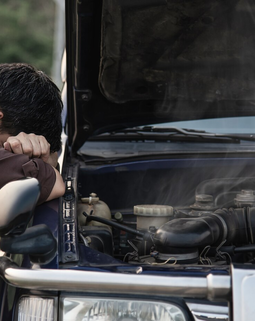
1. Engine Strain and Overheating
Engines are designed to operate efficiently within specific RPM ranges. Sustained high-speed driving pushes your engine to its limits, causing:
-
Increased wear on pistons and valves
-
Overheating of engine components
-
Faster breakdown of engine oil
Eventually, this leads to a reduction in engine life. Regular oil changes and engine cooling checks become essential.
2. Poor Fuel Economy
Speeding burns fuel faster. For example, driving at 120 km/h instead of 80 km/h can reduce fuel efficiency by up to 25%.
As carkibanda.com explains, efficient driving saves you thousands of shillings annually. Slower speeds and smooth acceleration are key to cutting fuel costs.
3. Brake System Degradation
Hard braking from high speeds heats up your brake pads and discs. This leads to:
-
Premature pad wear
-
Brake fluid overheating
-
Reduced stopping power over time
Brakes are your most critical safety system. Replace pads early and bleed your brake lines regularly.
4. Tire Wear and Blowouts
Excessive speed generates more heat in tires, especially on hot Ugandan roads. This increases your risk of:
-
Uneven tread wear
-
Sidewall damage
-
High-speed blowouts
Visit auto24.ug to shop for performance-rated tires with heat resistance and tread durability for Ugandan roads.
5. Suspension and Steering Damage
Speeding over bumps, potholes, and rough terrain can damage:
-
Shock absorbers
-
Control arms
-
Steering linkages
This affects ride quality, alignment, and handling. Regular suspension checks are vital if you drive at higher speeds.
6. Transmission Stress
High-speed driving forces your transmission to work harder, especially in automatic vehicles. This causes:
-
Faster gear wear
-
Delayed shifting
-
Increased risk of transmission failure
Flushing your transmission fluid every 40,000 km can help reduce wear.
Does Speeding Affect New vs. Used Cars Differently?
Yes. New cars may handle high speeds better thanks to improved technology and wear-resistant materials. However:
-
Used cars in Uganda often come with unknown service histories.
-
Older vehicles may already have worn-out parts.
-
Speeding accelerates the decline of aging systems.
It’s safer to keep speeds moderate, especially with imported second-hand vehicles. Platforms like auto24.ug offer a wide selection of inspected, road-ready cars.
Car Care Tips to Offset Speed-Related Damage
Component What to Do Engine Regular oil changes, cooling checks Brakes Replace pads before full wear Tires Rotate and align every 10,000 km Suspension Inspect after rough-road trips Transmission Flush fluid every 40,000 km Fuel System Use injector cleaner occasionallyMore detailed car care schedules are available at carkibanda.com.
Safer Alternatives: How to Drive Smarter
-
Use cruise control where safe to maintain steady speed.
-
Avoid rapid acceleration and harsh braking.
-
Plan your routes to avoid time pressure.
-
Drive during daylight to better spot hazards.
-
Join a safe driving course to refresh your defensive skills.
For Ugandan-specific driving guides and tips, automag.ug offers excellent resources.
Final Thoughts
Speeding doesn’t just risk your life; it compromises your vehicle's performance, safety, and longevity. For Ugandan roads, where conditions are unpredictable, driving moderately is the smart way to go.
Be proactive: check your car regularly, adjust your speed based on terrain, and always put safety above time savings.
To find vehicles suited for Uganda’s demanding conditions, check out auto24.ug. For more expert guides and advice, bookmark carkibanda.com and automag.ug.