

Embarking on a safari adventure in Uganda's breathtaking national parks is an unforgettable experience, but it requires careful preparation, especially for your vehicle. The country's diverse landscapes, from the savanna plains of Queen Elizabeth National Park to the muddy tracks of Bwindi Impenetrable National Park, demand a robust and well-maintained vehicle. Proper preparing for travel in Uganda is the key to a safe and enjoyable journey. Whether you're hiring a 4x4 or driving your own car, a thorough pre-trip check is non-negotiable.
The roads within the parks and in rural areas are often unpaved and can be rough, with a mix of gravel, dirt, and challenging potholes. During the wet seasons (March-May and October-November), these roads can become extremely muddy and even impassable without a high-clearance 4x4 vehicle.
A Pre-Trip Vehicle Checklist
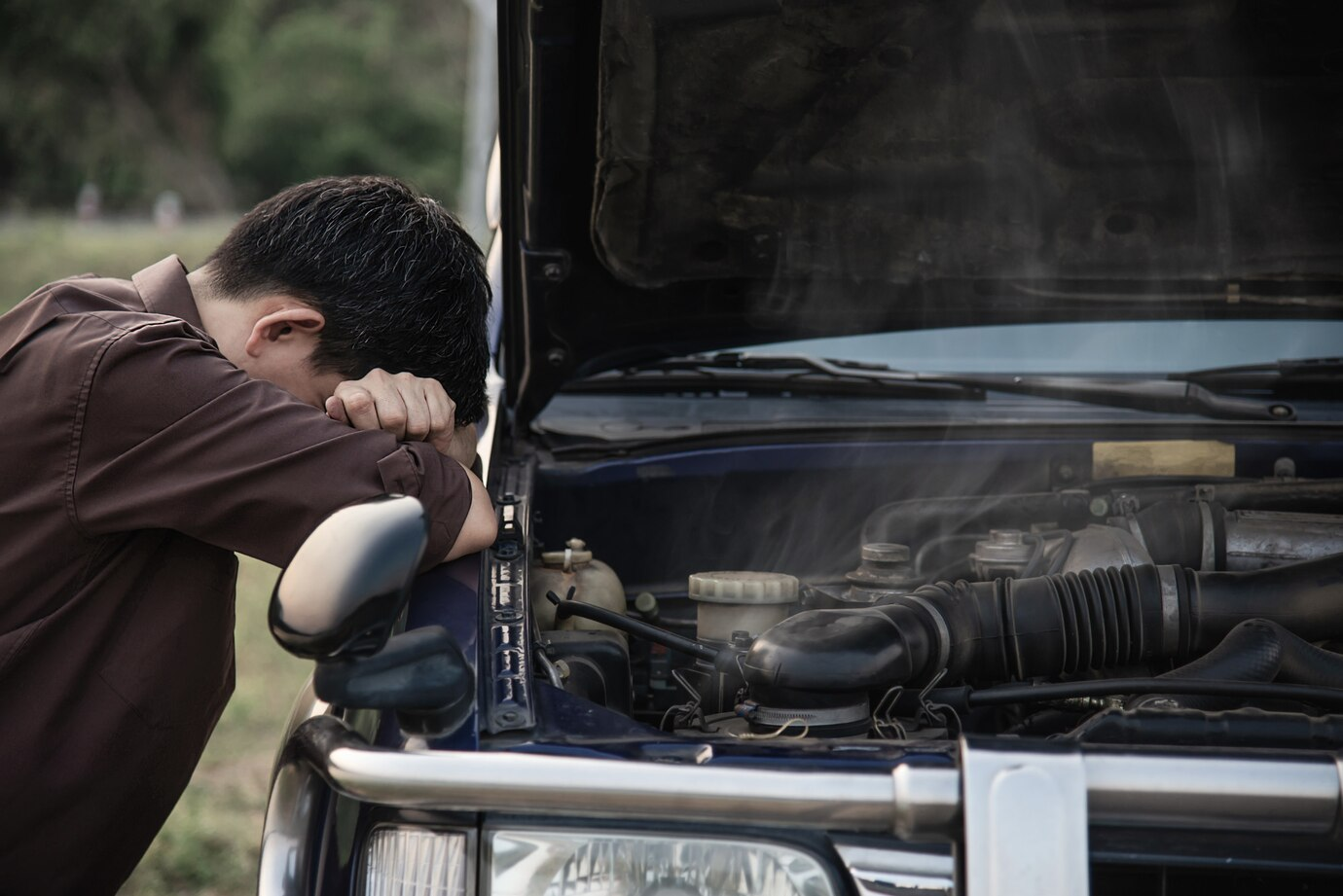
Before you hit the road, conduct a comprehensive vehicle check. This proactive approach will help you avoid breakdowns and ensure your safety.
-
Tires and Brakes: Your tires are your most important connection to the road. Check the pressure and tread depth, and make sure your spare tire is inflated and in good condition. You'll also need a working jack and tire iron. Given the hilly terrain and varied road surfaces, your brakes must be in top condition. Inspect the brake pads and check the brake fluid level.
-
Fluids and Filters: The dusty conditions found in many parks can quickly clog air filters. It’s wise to replace them before your trip and carry a spare. Check and top up all essential fluids, including engine oil, coolant, and windshield washer fluid. The latter is especially important for cleaning dust and mud off your windshield.
-
Emergency Kit: A well-stocked emergency kit is crucial. It should include jumper cables, a tow rope, a flashlight, and a basic toolkit. A first-aid kit with essentials like antiseptic wipes, bandages, and pain relievers is also a must. For more information on preparing your vehicle and yourself for adventures across Africa, you can visit resources like those at AfriCarGroup.
Beyond the Vehicle: Planning and Safety
Preparing for travel in Uganda's national parks is about more than just your car. Plan your route in advance and be aware of park rules, such as speed limits (typically 40 km/h) to protect both wildlife and visitors. It's also important to have a reliable form of navigation, like a GPS device or up-to-date maps, as mobile phone service can be unreliable in remote areas.
Finally, always carry enough fuel for your journey, as gas stations can be scarce near and within the parks. By taking these steps, your preparing for travel in Uganda will be complete, allowing you to focus on the spectacular wildlife and landscapes that await you. A well-prepared journey is the first step to an unforgettable safari.
Have you ever traveled to a national park in Uganda? What were your key takeaways from preparing for travel in Uganda? Share your experiences and tips below!