


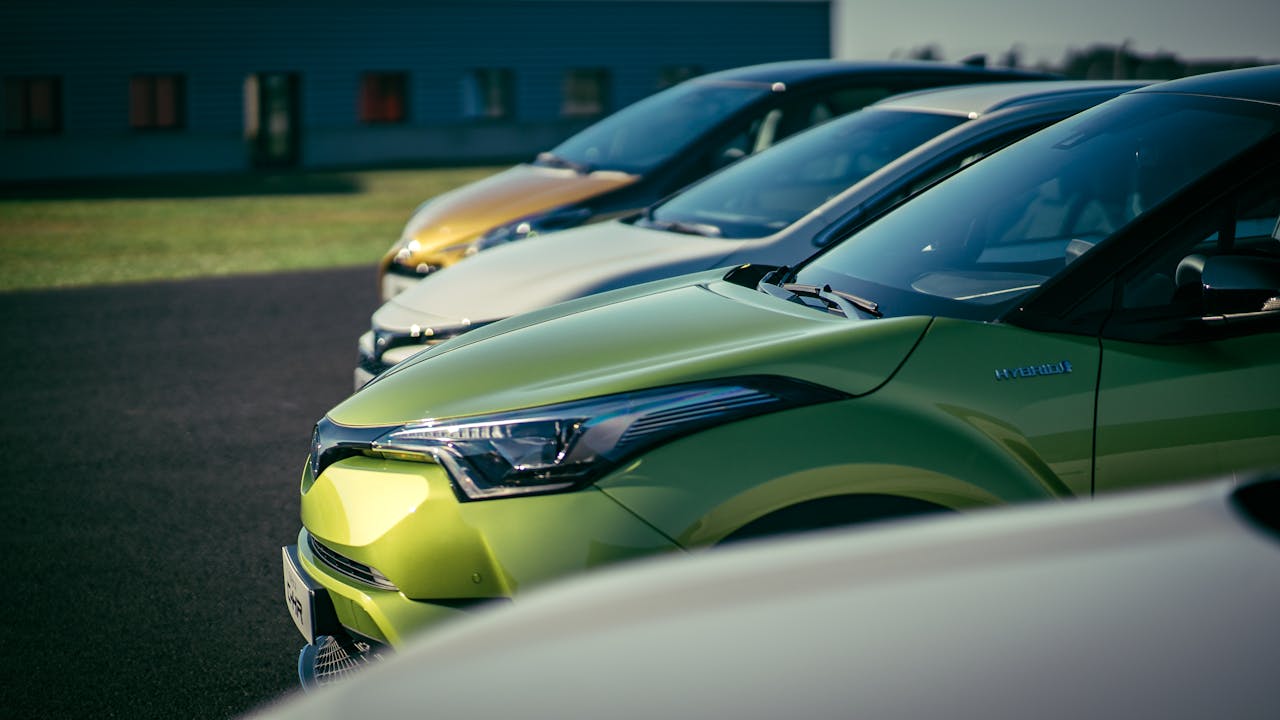
Hybrid cars in Uganda are becoming a smart choice for drivers seeking fuel efficiency, eco-friendliness, and long-term cost savings. Discover why this trend is accelerating.
Ugandan drivers are increasingly turning toward hybrid vehicles, thanks to a perfect storm of economic, environmental, and technological factors. These vehicles, which blend traditional internal combustion engines with electric motors, are becoming a smart solution to rising fuel costs, traffic congestion, and global climate concerns. With increased access to second-hand imports and a growing awareness of sustainable choices, hybrid cars are no longer a luxury—they're a logical choice for everyday driving in Uganda.
What Are Hybrid Cars?
Hybrid cars are vehicles that combine a petrol or diesel engine with an electric motor. The goal is simple: reduce fuel consumption and emissions while improving driving efficiency. There are typically three key hybrid models:
Types of Hybrid Cars
Type Description Full Hybrid (HEV) Uses both petrol engine and electric motor interchangeably. Plug-in Hybrid (PHEV) Requires external charging; can drive longer on electricity alone. Mild Hybrid (MHEV) Uses electric power to assist the engine but cannot run solely on electric.Ugandan buyers mostly find full hybrids and mild hybrids due to the affordability of Japanese second-hand models. Learn more about how hybrid technology works from Toyota Global.
Why Hybrid Cars Appeal to Ugandan Drivers
1. Rising Fuel Prices and Cost of Living
Fuel costs in Uganda have consistently risen, creating a significant burden for everyday commuters. Hybrid cars use significantly less fuel—some models offer up to 30 km/l—making them a financially wise investment. For updated fuel prices, visit GlobalPetrolPrices.com.
2. Better Fuel Efficiency: A Real Money Saver
Consider a driver who commutes from Mukono to Kampala daily. With a hybrid like the Toyota Prius, fuel usage drops drastically compared to a traditional 1.5L petrol car. The long-term savings can amount to millions of shillings each year.
3. Environmental Awareness and Emissions
Urban pollution is becoming a serious concern in major towns like Kampala, Mbarara, and Jinja. Hybrid cars produce fewer tailpipe emissions and help contribute to cleaner air—something more Ugandans are recognizing. Read environmental reports on air quality from NEMA Uganda.
Government and Import Policies on Hybrid Cars
Uganda’s government has taken a neutral stance but recently lowered import duty for hybrid vehicles. This has increased imports of Japanese models such as the Toyota Aqua, Honda Fit Hybrid, and Nissan Note E-Power.
The Uganda Revenue Authority (URA) provides duty calculators and exemptions for eco-friendly cars. You can learn more from the official URA website or via partners like automag.ug, which regularly updates on import duties and car reviews.
Availability of Hybrid Cars in Uganda
Second-Hand Hybrid Car Options
Japan continues to be the primary source of affordable second-hand hybrid vehicles in Uganda. Reliable models include:
-
Toyota Prius
-
Honda Insight
-
Nissan Note e-Power
-
Toyota Aqua
-
Lexus CT200h
You can compare model specs on carkibanda.com.
Reliable Sources to Find Hybrid Cars
To find second-hand cars suitable for these conditions, check out auto24.ug, which has an ever-growing database of locally available hybrids and other affordable options.
Visit other reliable platforms like:
Car Care Tips for Hybrid Owners in Uganda
Are Hybrid Cars Harder to Maintain?
Not really. Hybrid systems are designed to require less maintenance on average:
-
Regenerative braking reduces wear on brake pads.
-
Less engine stress due to electric assistance.
-
Longer oil change intervals.
However, it’s essential to use qualified hybrid technicians. Training programs are now being offered in places like Uganda Technical College.
Charging and Battery Life Considerations
For most hybrids in Uganda (especially HEVs), external charging isn’t needed. Battery life typically exceeds 8 years. Replacements are now available locally or through dealers. You can learn more about battery management from GreenCarReports.
Where to Service Hybrid Vehicles in Uganda
Kampala has several hybrid-friendly garages, especially in Ntinda, Nakulabye, and Kibuye. Look for garages that offer diagnostic services specifically for hybrid batteries and control modules.
You can also consult Uganda Auto Garage Directory to locate hybrid service specialists.
Common Misconceptions About Hybrid Cars
-
Myth: Hybrids are underpowered.
Truth: Most hybrids have instant torque, making them zippy in city traffic. -
Myth: Battery replacement is impossible in Uganda.
Truth: Many garages now stock or import batteries upon request. -
Myth: You need to charge them daily.
Truth: Only Plug-in Hybrids (PHEVs) need charging; most models are self-charging.
Future of Hybrid Cars in Uganda
With Kenya and Rwanda already pushing for EV and hybrid infrastructure, Uganda is not far behind. Expect:
-
Lower import duties
-
Expanded technician training
-
Potential government incentives
Private sector efforts, like electric boda-bodas and clean energy startups, are paving the way for greener mobility. Learn more from Shell Foundation Africa.
Expert Advice Before Buying a Hybrid Car
-
Inspect battery health using a hybrid scanner.
-
Buy from a reputable importer or dealer who offers warranties.
-
Check for service history, especially oil and coolant changes.
-
Avoid flood-damaged imports—battery issues often arise from these.
You can get inspection services from JEVIC Japan before import.
FAQs
1. Do hybrid cars work well on Uganda’s rough roads?
Yes. Many hybrid models are built on regular platforms (like the Toyota Axio or Fielder) and handle well even on rural roads.
2. How long does a hybrid car battery last?
Typically 8–10 years depending on usage. Many Ugandan dealers offer battery warranty and replacement services.
3. Is it expensive to repair a hybrid car?
Not more than regular cars if you use a qualified technician. Battery-related repairs may cost more, but they're rare.
4. Can you import a hybrid car directly to Uganda?
Yes. You can import through agents or personally from Japan, the UK, or Dubai. Be sure to check URA’s tax guidelines.
5. Are there hybrid SUVs available in Uganda?
Yes. Popular models include the Toyota Harrier Hybrid, Honda Vezel, and Lexus RX Hybrid.
6. Which is better: hybrid or full electric car?
In Uganda, hybrids currently make more sense due to limited EV charging infrastructure.
Conclusion
Hybrid cars are no longer just a trend in Uganda—they're becoming a practical solution for both cost-conscious and environmentally conscious drivers. With better availability, growing support from technicians, and improved awareness, hybrid cars are a great choice for daily commutes, long-distance travel, and everything in between.
Whether you're looking for fuel efficiency, performance, or reduced emissions, going hybrid in Uganda might just be the smartest move for your next car. Start your research with carkibanda.com, auto24.ug, and automag.ug.